


You can experience authentic charcoal-brewed Turkish coffee and double-kettle black tea at historic coffee establishments along Tahmis Street near the Spice Bazaar, inside Grand Bazaar courtyards, and along Hudavendigar Street in Sirkeci. Located within a five to ten-minute walk of Hagia Sophia and Topkapi Palace, these venues serve freshly roasted grounds paired with cold water and traditional Turkish delight.
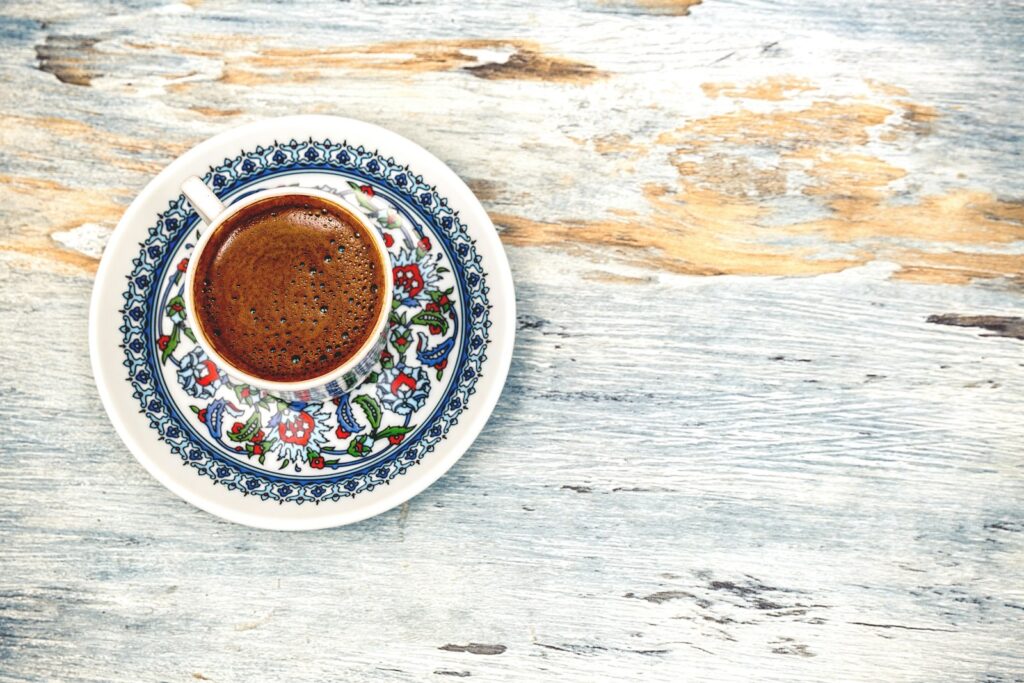
Selecting sand-brewed coffee houses near the Spice Bazaar
Finding authentic sand-brewed Turkish coffee near the Spice Bazaar requires looking for traditional copper pots, known as cezve, immersed in heated sand pans along historic alleys like Tahmis Street. The word tahmis itself means coffee roasting in Ottoman Turkish, highlighting the deep historical roots of this trade in Sirkeci. The sand brewing method uses a broad tray filled with fine silver sand heated over gas burners to roughly 200 degrees Celsius. This technique distributes heat evenly around the hand-hammered copper pot, allowing the finely ground Arabica coffee to foam gradually without scorching the natural aromatic oils.
As you walk down Hudavendigar Street from Romance Istanbul Hotel toward Eminönü, a eight to ten-minute downhill walk brings you to the famous corner of Tahmis Street where Kurukahveci Mehmet Efendi has been roasting beans since 1871. Here, roasters process high-quality Arabica beans into a flour-like powder that sets Turkish coffee apart from coarser filter or espresso grinds. Watching the coffee master move the copper pot in circular motions through hot sand reveals the precise temperature control needed to create a dense, velvety foam. You can learn more about discovering traditional neighborhood snack stops by exploring our guide to street food in Istanbul.
The history of coffee culture in the Historic Peninsula dates back to the sixteenth century during the reign of Sultan Suleiman the Magnificent. Coffee houses quickly evolved into cultural hubs where scholars, poets reciting Divan poetry, and palace courtiers gathered. Today, sitting at a small wooden table outside a historic roaster near the Spice Bazaar offers a sensory window into these historic customs while you enjoy the deep, toasted aroma of freshly ground coffee beans.
Understanding Turkish tea brewing in copper double kettles
Traditional Turkish tea brewing relies on a two-tiered kettle system called a çaydanlık, where concentrated black tea leaves steep in the top copper vessel while hot water boils in the lower chamber. The bottom kettle typically holds one to two liters of boiling water, while the smaller top pot holds dry black tea leaves originating from the misty slopes of Rize along the Black Sea coast. Boiling water from the lower chamber is poured over the tea leaves in the top vessel and left to steep over gentle heat for fifteen to twenty minutes.
This two-tiered design allows you to customize the strength of your tea when poured into traditional tulip-shaped glasses called ince belli. If you prefer a stronger brew, known locally as demli, the server fills one-third of the glass with concentrated tea before topping it up with boiling water. For a lighter brew, called açık, only a small splash of concentrated tea is added. In open-air tea gardens near Gülhane Park, located just a three-minute walk from Sirkeci, tea is served continuously throughout the day. Guests interested in mastering these traditional brewing techniques can book a cooking class in Turkish cuisine during their stay.
Unlike western tea customs, authentic Turkish black tea is served piping hot without milk, allowing the rich malt profile and bright copper clarity of the tea to be fully appreciated. Small beet sugar cubes are provided on the side, giving you total control over the sweetness. The clear glass format lets you admire the deep crimson shade of the tea, often compared by classic Ottoman poets to the color of a rabbit's eye (tavşan kanı).
Tasting roasted beans alongside Turkish delight and cold water
A complete Turkish coffee service always includes a small glass of cold water to cleanse your palate before drinking and a piece of Turkish delight to balance the coffee's bold bitterness. You should drink a sip of cold water first so that your taste buds can fully capture the subtle roasted, nut-like, and earthy notes of the coffee. In local etiquette, sipping water before drinking coffee shows refined appreciation, whereas drinking water immediately after finishing the coffee suggests the coffee was too dry or harsh.
When ordering Turkish coffee in Sirkeci or Sultanahmet, you must specify your desired sweetness level before brewing begins, because sugar is mixed directly into the water and coffee grounds inside the copper pot: sade (plain with no sugar), az şekerli (slightly sweet with half a sugar cube), orta (medium sweet with one sugar cube), or şekerli (sweet with two sugar cubes). To learn more about navigating these dining customs respectfully, consult our guide on essential etiquette for authentic Turkish coffee rituals. Traditional pairings feature Turkish delight, or lokum, flavored with mastic resin, double-roasted pistachios, or rosewater.
The Romance Istanbul Hotel team routinely offers custom orientation recommendations to help guests locate authentic historic roasters and traditional cafes around Sultanahmet Square. For travelers seeking a high-end cultural stay enriched by imperial historic narrative, reserving our Sultan Package combines luxury accommodations with personalized historical exploration across the Historic Peninsula.
| Beverage Type | Brewing Equipment & Method | Primary Historic Locations Near Hotel | Dietary Profile & Serving Style |
|---|---|---|---|
| Sand-Brewed Turkish Coffee | Copper cezve in 200°C heated sand pan | Tahmis Street near Spice Bazaar (8-min walk) | Naturally vegan; served with cold water & lokum |
| Charcoal-Brewed Coffee (Közde) | Hand-hammered copper pot on glowing embers | Grand Bazaar historic courtyards (12-min walk) | Naturally vegan; rich crema foam layer |
| Double-Kettle Black Tea (Çay) | Two-tiered copper or brass çaydanlık | Gülhane Park tea gardens (3-min walk) | Naturally vegan; served in tulip glass with sugar |
| Mastic Herbal Infusion | Steeped dried mountain herbs & resin | Olive Anatolian Restaurant rooftop (1-min walk) | Naturally vegan; caffeine-free digestive brew |
Sampling vegan meze and herbal infusions at Olive Anatolian Restaurant
Travelers looking for refined plant-based dining and traditional herbal infusions in the Historic Peninsula can visit Olive Anatolian Restaurant, located on the rooftop above Sirkeci with views over the Historic Peninsula and Bosphorus. The culinary team presents a dedicated vegan menu alongside classic Anatolian recipes, making it simple to experience regional heritage while maintaining plant-based dietary preferences. Traditional cold appetizers feature olive-oil artichokes (zeytinyağlı enginar), grape leaves stuffed with rice and sour cherries, and walnut red pepper dip (muhammara).
To complement plant-based dining, the restaurant serves authentic Anatolian herbal infusions brewed from whole dried leaves and blossoms. Popular choices include wild Aegean sage (adaçayı), fragrant linden blossom (ılamur), and tart mountain rosehip (kuşburnu). To discover how plant-based dining seamlessly aligns with centuries-old Anatolian cooking traditions, read our article on whether you can experience authentic Turkish cuisine as a vegan. Relaxing on the rooftop dining room while sipping herbal tea allows you to enjoy panoramic views of Hagia Sophia and the Golden Horn.
If your travel itinerary extends beyond the historic core into Beyoğlu to explore local art galleries and contemporary culture, consider staying at our sister property The Soul Hotel for a modern boutique stay. For travelers seeking Ottoman harem and palace history, Hotel Sultania offers elegant themed accommodations nearby in Sultanahmet, while Hotel Yasmak Sultan provides classic historic lodging tailored for family travel near Hagia Sophia.
Finding historic coffee spots within walking distance of Sirkeci
Staying at a central location along Hudavendigar Street places you within a five to ten-minute walk of historic coffee houses, Gülhane Park, and major monuments like Topkapi Palace and Hagia Sophia. Located at Hudavendigar Street No:5, Romance Istanbul Hotel offers an ideal starting point for walking explorations. A five-minute walk uphill brings you directly to Sultanahmet Square, where shade trees surround outdoor cafes serving charcoal-brewed coffee. Walking ten minutes downhill brings you to Eminönü square and the Spice Bazaar roasters.
Romance Istanbul Hotel features eight refined room categories decorated with custom artifacts inspired by royal Ottoman talismanic shirts. Room options range from practical City Rooms and Deluxe Double Rooms to spacious Grand Suites and the Royal Suite, which offers a private balcony and jacuzzi. Specific room allocations and terrace availability depend on seasonal demand and booking status, so reserving ahead is recommended for specific layouts.
After spending a morning walking between coffee houses and historic sites, you can relax at Allure Spa & Wellness located inside the hotel. Booking an authentic Turkish hamam treatment with warm marble heat and soothing scrub sessions provides physical rejuvenation before your evening meal in Sirkeci.
Exploring the historic coffee and tea customs of Istanbul allows you to build a deep, personal connection with Ottoman culinary heritage. From watching sand-brewed coffee foam over heated copper pots near the Spice Bazaar to enjoying panoramic rooftop tea infusions at Olive Anatolian Restaurant, the Historic Peninsula offers unforgettable cultural discoveries at every step.
Frequently Asked Questions
Where can I find authentic sand-brewed Turkish coffee near Sirkeci?
You can find authentic sand-brewed Turkish coffee along Tahmis Street behind the Spice Bazaar, located an eight to ten-minute walk from Romance Istanbul Hotel. Historic roasters heat copper pots in hot silver sand to produce a thick, aromatic foam.
How long does it take to walk from the hotel to historic coffee houses?
Walking from Hudavendigar Street No:5 to coffee houses near the Spice Bazaar takes about eight to ten minutes downhill. Walking uphill to outdoor cafes around Sultanahmet Square takes roughly five minutes.
What is the correct way to drink Turkish coffee with water and Turkish delight?
You should sip cold water first to cleanse your taste buds before drinking the coffee. Enjoy the Turkish delight alongside your coffee to contrast the bitterness, and never stir the cup once poured so grounds settle.
Are vegan meal options and herbal teas available near Sirkeci?
Yes, Olive Anatolian Restaurant in Sirkeci offers a dedicated vegan menu featuring olive-oil mezes and traditional Anatolian herbal infusions like sage, linden, and rosehip tea with views over the Historic Peninsula.
What is the best time of day to visit historic coffee roasters near the Spice Bazaar?
The best time to visit coffee roasters on Tahmis Street is early morning around opening time when market lanes are less crowded. This allows you to observe coffee masters brewing sand-brewed coffee without long queues.
Can I experience a traditional Turkish hamam at Romance Istanbul Hotel after sightseeing?
Yes, guests can enjoy authentic Turkish hamam treatments and spa wellness rituals at Allure Spa & Wellness inside Romance Istanbul Hotel. Scheduling a session after walking historic coffee routes offers relaxing physical rejuvenation.
Photo: yucar studios — Unsplash
