

Ottoman imperial garments woven with protective motifs featured calligraphic Quranic verses, numerical charts based on ebjad calculations, seal of Solomon geometric stars, and stylized floral patterns crafted to guard sultans during campaigns and courtly rituals. You can inspect original talismanic shirts within the imperial collection at Topkapi Palace Museum and witness their artistic influence preserved throughout historic accommodations in Sirkeci.
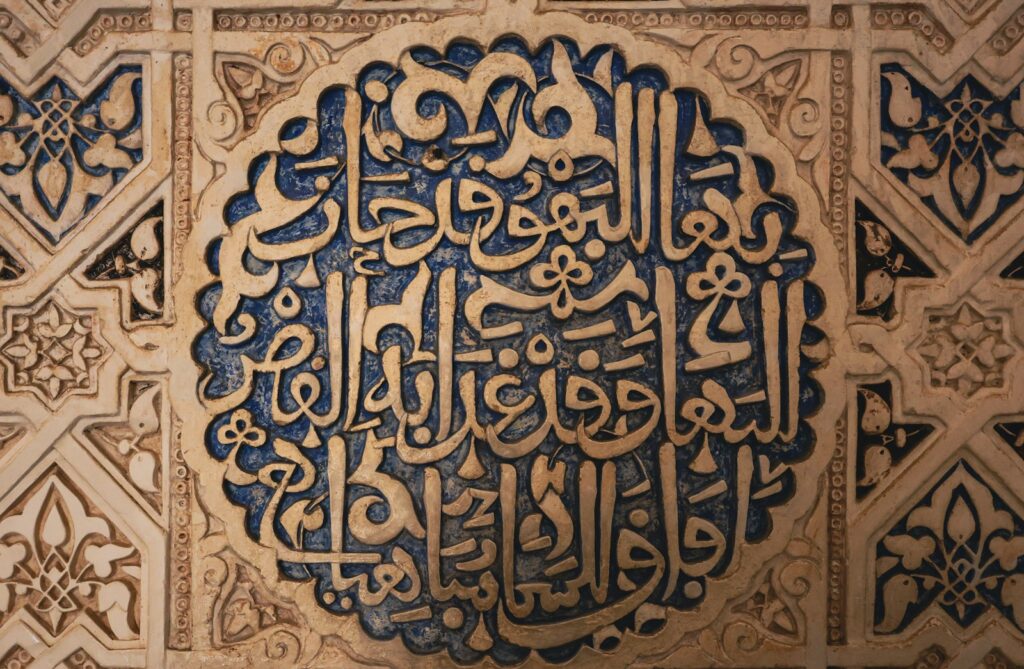
Imperial Calligraphy and Geometric Protection Symbols on Royal Garments
Calligraphic inscriptions on Ottoman talismanic shirts contained specific Quranic surahs, divine attributes, and numerical square grids intended to serve as spiritual armor for sovereign rulers. Court astrologers, known as müneccimbaşı, calculated precise astrological moments to determine when imperial weavers and calligraphers should begin working on each garment. Artisans selected fine white linen, silk, or cotton fabric before transcribing sacred texts using natural soot ink and liquid gold leaf. The inscriptions routinely incorporated Surah Al-Fath for victory, Ayatal-Kursi for divine protection, and the ninety-nine names of God executed in delicate Thuluth and Naskh calligraphic scripts.
Beyond sacred text, geometric symbolism played a fundamental role in the design of imperial garments. Eight-pointed stars, interlocking polygons, and the Seal of Solomon were drawn within symmetrical grid matrices to represent cosmic order and spiritual equilibrium. Numerical squares, calculated using the ebjad system where Arabic letters correspond to specific numerical values, were arranged in complex mathematical blocks across the chest and back of the shirts. These intricate grids reflected the Ottoman court’s deep appreciation for sacred geometry and symbolic defense.
Ottoman court literature and Divan poetry directly influenced the decorative aesthetic of these royal garments. Verses celebrating divine love, royal authority, and protective prayers were integrated into calligraphic borders alongside stylized botanical motifs such as carnations, tulips, and cypress trees. Each garment required months or even years of painstaking manual labor by imperial court calligraphers and weavers, making them rare historical artifacts of Ottoman visual culture. Understanding these motifs opens a fascinating window into how spirituality, artistic mastery, and royal court traditions intertwined in medieval Istanbul.
Topkapi Palace Sacred Relics Section and Garment Collections
You can examine original Ottoman imperial textiles and talismanic shirts inside the Imperial Treasury and Sacred Relics sections of Topkapi Palace Museum, located an eight-minute walk uphill from Sirkeci. To reach Topkapi Palace from Hudavendigar Street, walk uphill along the paved road past the lower entrance of Gülhane Park toward Sultanahmet Square. Enter through the Imperial Gate (Saltanat Kapısı) into the First Courtyard, then proceed through the Gate of Salutation (Bab-üs Selam) into the museum grounds.
The garment display room within the Third Courtyard houses preserved royal robes, turban fabrics, and talismanic shirts belonging to prominent sultans, including Sultan Suleiman the Magnificent and Sultan Cem. Observing these garments behind climate-controlled glass cases allows you to see the microscopic precision of the ink lines, metallic thread embroidery, and pigment preservation. Museum panels display contextual information regarding garment provenance, royal commission records, and textile preservation techniques.
Planning your visit for early morning right at opening helps you view these fragile historic textiles before peak visitor queues build up around the display cases. Official museum entrance tickets can be purchased at the gate or online via official museum booking platforms. If your travel interests focus on imperial harem history and royal women’s heritage, visiting Hotel Sultania provides additional insight into Ottoman architecture and historic room design across the Historic Peninsula.
Custom Talismanic Artifacts Displayed Inside Historic Sirkeci Suites
Custom handcrafted replicas of sultanic shirts, embroidered wall hangings, and calligraphic framing adorn individual guest rooms and suites across the historic Sirkeci district. Accommodation design in Sirkeci frequently draws inspiration from royal court artifacts and Ottoman textile heritage. Rooms incorporate framed calligraphic prints, silk bed throws featuring traditional botanical embroidery, and hand-carved wooden furniture painted with historical geometric motifs.
As the Romance Istanbul Hotel team notes, each themed room category reflects a specific narrative from Ottoman courtly life, translating medieval textile traditions into modern boutique hospitality. Travelers can select from a wide range of room configurations depending on spatial preferences and travel requirements. Standard options like the City Room and Deluxe Double Room provide cozy, refined spaces for couples or solo culture enthusiasts.
For guests seeking expanded living areas and ornate interior details, the Grand Suite features distinct Ottoman motifs and generous seating space. Larger arrangements like the Premium Suite and the romantic Romance Suite incorporate custom textile headboards, refined ambient lighting, and private whirlpool tubs.
| Room Category | Size & Key Feature | Talismanic Decor Highlight | Ideal Traveler |
|---|---|---|---|
| City Room & Deluxe Double | Compact layout, historic street view | Framed calligraphic art panels | Solo travelers & couples |
| Grand Suite | Separate living area, spacious desk | Embroidered silk wall tapestries | History lovers & extended stays |
| Premium Suite | Open-plan layout, whirlpool bath | Hand-carved headboard with motifs | Couples seeking refined luxury |
| Romance Suite & Royal Suite | Private balcony, jacuzzi tub | Sultanic shirt replica displays | Honeymooners & special celebrations |
Each room option combines historic cultural storytelling with contemporary amenities, including high-speed internet access, climate control, and daily tea and coffee preparation facilities. Check-in typically begins at 14:00, while check-out is conducted until 12:00, with front desk staff available around the clock to support guest inquiries in English, Turkish, and Russian.
Combining Historic Textile Exploration with Evening Hammam Treatments
Paired with daytime historical exploration, an evening Turkish hamam session provides traditional body cleansing using heated marble platforms, olive-oil soap lather, and gentle skin exfoliation. Traditional hamam culture has been an integral part of Istanbul daily life since the early Ottoman era. Bathing facilities feature heated marble slabs (göbek taşı), domed ceilings with glass light openings (filgözü), and marble water basins (kurna).
During a structured session, you relax on the heated marble surface to allow steam to open skin pores before an attendant (tellak) applies a natural silk glove (kese) for gentle exfoliation. Contrary to common myths, authentic hamam scrubbing should feel soothing and refreshing, never painful or damaging to the skin. It cleanses dead skin cells, improves circulation, and prepares your body for deep relaxation.
Guests staying in Sirkeci can access dedicated wellness facilities at Allure Spa & Wellness, which houses a traditional marble hamam room, steam bath, and relaxation lounge. Selecting specialized packages such as the Turkish Hamam Experience allows you to combine traditional exfoliating scrubs with hydrating foam massages and aromatic herbal teas. Spa appointments should be reserved in advance to secure preferred times after full days of sightseeing.
Following an evening hamam session, completing your day with authentic local gastronomy is highly recommended. You can walk a short distance to Olive Anatolian Restaurant, a renowned rooftop dining establishment in Sirkeci. The restaurant serves traditional Anatolian regional specialties alongside dedicated vegan and vegetarian menus, while providing sweeping views of Hagia Sophia and the Bosphorus strait.
Practical summary for cultural travelers in Sirkeci:
- Walking to Topkapi Palace: 8-10 minutes uphill via Gülhane Park road.
- Best garment viewing time: Early morning hours right at museum opening.
- Wellness routine: Reserve hamam sessions for late afternoon or early evening.
- Dining suggestion: Olive Anatolian Restaurant for regional Anatolian cuisine and plant-based options.
Immersing yourself in the textile heritage and royal symbolism of Historic Istanbul offers a memorable connection to the Ottoman imperial past. By pairing daytime museum walks with historic Sirkeci accommodations and relaxing hamam rituals, your stay in the Old City becomes a richly rewarding cultural journey.
Frequently Asked Questions
What are Ottoman talismanic shirts and what symbols do they contain?
Ottoman talismanic shirts are protective cotton or silk garments inscribed with calligraphic Quranic verses, numerical square grids (ebjad), geometric stars, and sacred names. They were crafted by court astrologers and calligraphers to serve as spiritual armor for sultans during military campaigns and state occasions.
Where can I see authentic Ottoman imperial garments in Istanbul?
You can view original imperial garments and talismanic shirts inside the Sacred Relics and Treasury sections of Topkapi Palace Museum in Sultanahmet. The exhibit displays surviving shirts worn by Ottoman sultans alongside detailed historical information about royal court textile preservation.
How far is Topkapi Palace from Romance Istanbul Hotel in Sirkeci?
Topkapi Palace is located approximately an eight-minute walk uphill from Romance Istanbul Hotel in Sirkeci. Guests can stroll past Gülhane Park and enter through the Imperial Gate into the palace courtyards without needing vehicle transportation.
Is the Turkish hamam experience suitable for first-time visitors?
Yes, the Turkish hamam experience is suitable for first-time bathers seeking skin rejuvenation and relaxation. Professional hamam attendants use natural silk gloves and warm olive-oil foam to gently exfoliate the skin without causing pain or discomfort.
Where can guests dine near Sirkeci with vegan and vegetarian options?
Guests can dine at Olive Anatolian Restaurant, located on a rooftop in Sirkeci within short walking distance of major historic sites. The restaurant offers traditional Anatolian cuisine, sweeping city views, and a dedicated menu for vegan and vegetarian diners.
What room types are available for guests interested in Ottoman-themed decor?
Romance Istanbul Hotel offers eight room categories adorned with Ottoman decorative accents and talismanic shirt replicas. Room options range from cozy City Rooms and Deluxe Double Rooms to spacious options like the Grand Suite, Premium Suite, Romance Suite, and Royal Suite with private jacuzzi amenities.
Photo: Abdullah Habib — Unsplash
