


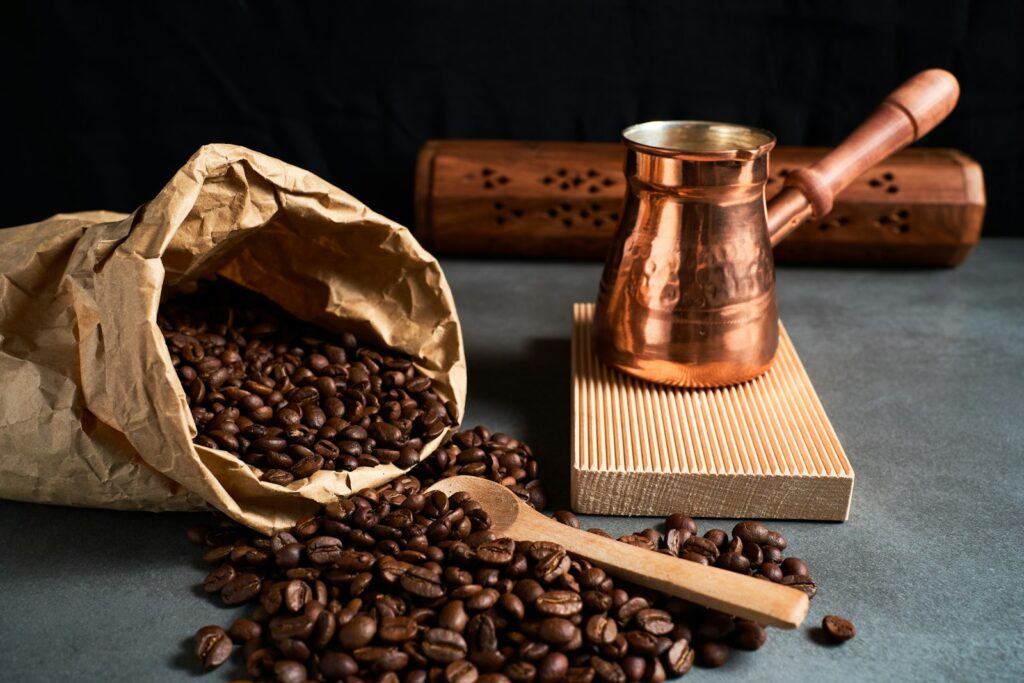
Traditional Turkish coffee and tea rituals in Sirkeci gain their unique cultural identity from centuries of Ottoman hospitality, where extra fine grind coffee, copper cezve brewing over heated sand, and tulip-shaped tea glasses served alongside water and Turkish delight created a sensory etiquette near the Historic Peninsula of Istanbul. You can experience these living traditions within a five-minute walk from Sultanahmet Square, surrounding your daily explorations with authentic culinary heritage.
The 16th-Century Sultanahmet Coffee Houses and Their Cultural Legacy
The first historic coffee houses of Istanbul opened in the Tahtakale and Sirkeci districts near Sultanahmet during the mid-16th century reign of Sultan Suleiman the Magnificent, transforming urban public life into spaces for intellectual debate, poetry recitations, and social diplomacy. When Yemeni coffee beans arrived at the Ottoman port in Eminonu around 1554, local entrepreneurs established public drinking houses along the trade routes connecting the Golden Horn to Topkapi Palace. You can trace this legacy today by walking through the narrow cobblestone lanes connecting Sirkeci to the Spice Bazaar, where roasting aromas still drift from historic shopfronts that have operated for generations.
These early coffee venues were far more than places to consume hot drinks; they functioned as democratic gathering spots where poets recited Divan poetry, storytellers performed folk tales, and palace courtiers exchanged political news outside the formal walls of the royal court. The etiquette established during this period required coffee to be prepared to order for each guest, accompanied by a small glass of water to cleanse the palate before drinking and a piece of fruit preserve or confection to balance the strong roasted notes. The ritual became deeply tied to royal hospitality, influencing how diplomatic envoys were received in palace reception halls.
At Romance Istanbul Hotel on Hudavendigar Street, this historic narrative comes alive through interior spaces decorated with custom artifacts inspired by the legendary Ottoman Talismanic Shirts. Sultans wore these hand-inscribed protective garments during critical moments of their reign, reflecting a deep belief in sacred symbols, calligraphic art, and cultural ritual. Staying in the heart of Sirkeci allows you to step directly from your room into the historic streets where these five-hundred-year-old beverage traditions were first cultivated.
Copper Cevze Preparation versus Modern Brewing Techniques
Authentic Turkish coffee preparation relies on a hand-forged copper cezve and pulverized Arabica beans simmered slowly over hot sand or open embers, whereas modern electrical brewing methods prioritize speed at the expense of dense foam formation and natural sediment settling. The classical method requires cold water, finely powdered coffee ground to a velvet texture, and precise temperature control to create a thick layer of micro-foam called kopuk before the liquid reaches a boil. Boiling coffee directly destroys its delicate volatile aromatic compounds, which is why master brewers lift the pot from the heat source the exact moment the foam rises to the rim.
Preparing tea (cay) in the Historic Peninsula follows a similarly meticulous double-kettle process using a metallic or ceramic caydanlik. Water boils in the lower, larger vessel while tea leaves steep gently in concentrated hot water in the upper pot over low heat for fifteen to twenty minutes. When serving, you pour a portion of the concentrated brew into a clear tulip-shaped glass (ince belli glass) and dilute it with boiling water according to your preference, ranging from light (acik) to deep red and robust (demli). The transparent glass allows you to appreciate the clear ruby color of the tea while keeping the narrow middle comfortable to hold.
| Brewing Technique | Heat Source | Preparation Time | Flavor & Texture Profile |
|---|---|---|---|
| Sand-Brewed (Kumda Kahve) | Pan of fine hot quartz sand | 4 to 6 minutes | Dense micro-foam, velvet mouthfeel, low bitterness, high aromatic depth |
| Classic Stove-Brewed Copper Cezve | Low gas flame or charcoal embers | 3 to 5 minutes | Thick foam layer, balanced acidity, rich sediment layer at the cup base |
| Modern Electric Turkish Coffee Maker | Internal heating element | 1 to 2 minutes | Moderate foam, quick extraction, slightly higher bitterness due to rapid heat |
| Double-Kettle Tea Steeping (Caydanlik) | Simmering steam from lower kettle | 15 to 20 minutes | Clear ruby color, smooth tannic structure, fully customizable strength |
To understand the difference in beverage craft during your stay, you can explore local cafes along the tram line toward Gülhane Park or sample the freshly brewed options available during the morning breakfast buffet before heading out to tour historic sites. Starting your morning with authentic hot beverage preparation sets a relaxed tone for a full day of sightseeing around Hagia Sophia and the Basilica Cistern.
Pairing Turkish Delights and Wine with Afternoon Beverage Rituals
Traditional afternoon hot beverage customs in Old Sirkeci pair slow-brewed black tea or heavy Turkish coffee with double-roasted pistachio Turkish delights, fresh fruit preserves, and evening selections of regional Anatolian wines. The sweet confection serves a practical purpose: sipping intense unfiltered coffee alongside a morsel of mastic or pomegranate Turkish delight creates a balanced sensory contrast on your palate. Etiquette dictates taking a sip of fresh water first to clear your tastebuds, followed by a bite of sweetness, and finally a slow sip of hot coffee.
As afternoon transitions into evening across the Historic Peninsula, beverage traditions move naturally from herbal infusions and coffee to local wine tastings and savory snacks. Anatolian winemaking history stretches back thousands of years, featuring indigenous grape varieties such as Öküzgözü, Boğazkere, and Narince that match the rich flavors of Ottoman spice blends and artisanal cheeses. If you enjoy curated tasting experiences, you can elevate your afternoon relaxation through a special wine and cheese special arrangement that highlights regional produce alongside boutique hospitality.
When planning your evening meal after afternoon tea rituals, walk up toward the rooftop of the building cluster to dine at Olive Anatolian Restaurant. Located right in Sirkeci within easy walking distance of major landmarks, the venue serves traditional Anatolian recipes alongside a dedicated vegan and vegetarian menu, accompanied by panoramic views of the Bosphorus skyline and historic minarets. Pairing local culinary specialties with historic views provides a complete culinary experience in the center of the old city.
Best Quiet Courtyards near Sirkeci for Afternoon Tea
The quietest historic courtyards for afternoon tea near Sirkeci are tucked inside the shaded gardens of Gülhane Park, the stone arcades of centuries-old caravanserais near Hudavendigar Street, and private boutique hotel courtyards along the historic tram line. Gülhane Park, once the outer royal garden of Topkapi Palace, offers open-air tea gardens set beneath ancient plane trees where you can sit with a pot of black tea while looking out toward the meeting point of the Golden Horn and the Bosphorus. The walk from the main entrance of Gülhane Park back to Sirkeci takes less than seven minutes downhill.
If you prefer a private sanctuary removed from urban street noise, the inner courtyard spaces of historic peninsula accommodations offer elegant tea services surrounded by Ottoman architectural motifs. Selecting a comfortable room category, such as a refined deluxe double room, provides an inviting base where you can unwind between morning landmark tours and late-afternoon tea sessions. The Hotel Sultania sister property nearby also offers unique cultural accommodation options rooted in Ottoman palace and harem heritage for travelers seeking deep historical context.
According to practical recommendations from the Romance Istanbul Hotel team, scheduling your courtyard tea break between 14:30 and 16:30 allows you to rest your feet during peak sightseeing hours when major museums experience their highest crowd volumes. After enjoying a quiet beverage session, you can comfortably walk ten minutes to the Spice Bazaar or Grand Bazaar as afternoon temperatures cool and light evening breezes come off the waterfront.
Exploring the historic hot beverage customs of Sirkeci opens a sensory window into centuries of Istanbul’s cultural heritage. From early morning coffee brewed in hand-forged copper vessels to quiet tea sessions in historic garden courtyards, these daily rituals invite you to slow down and experience the Historic Peninsula like a true local traveler.
Frequently Asked Questions
What is the traditional way to drink Turkish coffee in Sirkeci?
Traditional Turkish coffee is brewed finely ground in a copper cezve over low heat or hot sand. It is served unfiltered in a small cup alongside a glass of water and a piece of Turkish delight. Drink the water first to cleanse your palate before savoring the rich, foamy coffee.
Where can I experience authentic afternoon tea near Sultanahmet?
You can enjoy traditional black tea served in tulip-shaped glasses at tea gardens inside Gülhane Park, historic caravanserai courtyards around Sirkeci, or elegant hotel lounges. For a refined lunch or dinner after your tea break, visit Olive Anatolian Restaurant in Sirkeci for Anatolian specialties and vegan menu options.
How far is Sirkeci from main historical attractions like Hagia Sophia?
Sirkeci is situated in the Historic Peninsula just a five to ten-minute walk from Hagia Sophia, Sultanahmet Square, Topkapi Palace, and the Basilica Cistern. The Spice Bazaar and Eminonu ferry docks are roughly ten minutes downhill on foot, making Sirkeci a convenient base for cultural sightseeing.
Why is water always served alongside Turkish coffee?
Water is served with Turkish coffee to cleanse your mouth and palate prior to drinking, allowing you to fully taste the complex roasted aromas. It also helps clear leftover coffee sediment from your throat after finishing the cup. Etiquette suggests drinking the water before sipping the coffee.
What dining options are available near Sirkeci for dinner?
Sirkeci features a wide variety of traditional eateries, kebab houses, and rooftop dining venues. Olive Anatolian Restaurant offers elevated Anatolian cuisine with extensive vegetarian and vegan choices, accompanied by panoramic Bosphorus views just minutes on foot from major historic boutique hotels in the district.
What are standard check-in and check-out times for boutique hotels in Sirkeci?
Standard hotel check-in typically begins at 14:00, and check-out is expected by 12:00 noon. Early check-in or late check-out requests depend entirely on room availability upon arrival, so it is recommended to confirm your expected flight arrival details with the front desk prior to your trip.
Photo: Ricardo Díaz — Unsplash
