


Visiting Hagia Sophia and the Blue Mosque requires adjusting your sightseeing around five daily Islamic prayer times, dressing modestly with covered shoulders and knees, removing footwear at the carpeted entry, and securing designated visitor entrance tickets for upper gallery access. Planning your morning or late afternoon arrival ensures smooth entry through security checkpoints while respecting active religious services.
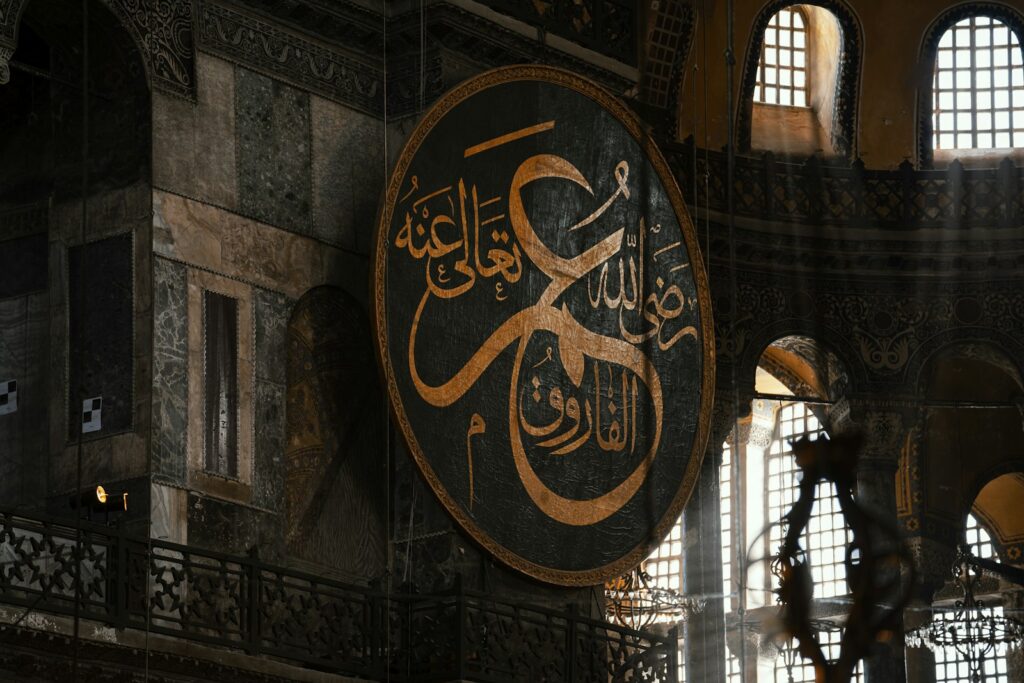
How to coordinate your visit around active prayer times
You coordinate your visit around active prayer times by scheduling sightseeing during non-prayer windows between sunrise, noon, afternoon, sunset, and night prayers, staying clear of worship halls during the thirty-minute closure before each prayer call. Because both Hagia Sophia and the Blue Mosque function as active places of worship, doors close to tourist visitors roughly thirty minutes before the call to prayer (adhan) and remain closed to non-worshippers for approximately thirty minutes after prayers conclude.
Daily Islamic prayer times shift continuously throughout the calendar year based on the position of the sun. Morning visiting windows typically open around 08:30 and offer the quietest atmosphere before mid-day worship. Mid-day prayer (Dhuhr) generally occurs between 12:00 and 13:00 depending on the season, causing a temporary pause in tourist admissions. Planning your itinerary around these regular intervals prevents standing in long exterior assembly queues while waiting for doors to reopen.
Friday visits demand additional attention because Friday noon prayer (Juma) carries special religious significance. On Fridays, tourist access to active mosque areas is restricted from late morning until mid-afternoon to accommodate community congregational prayers. Visiting alternative historical sites like nearby cisterns or gardens during Friday mid-day hours allows you to maximize your daytime exploration without friction.
Navigating separate visitor entrance routes and upper gallery tickets
You navigate visitor entrances at Hagia Sophia by proceeding to the dedicated tourist entry gate on the south side near the Fountain of Ahmed III, where visitor tickets grant access to the historic upper gallery. Recent operational guidelines separate visiting cultural sightseers from local worshippers, establishing a distinct ticketing perimeter and elevated walkway system along the southern facade.
Ticketing booths operate directly along the tourist approach route, accepting major credit cards alongside local currency. Entry passes cover access to the upper gallery levels, where elevated viewpoints reveal Byzantine mosaics, marble wall panels, and structural dome engineering without disrupting floor-level congregational prayers. Keep in mind that general city tourist passes may have specific terms or separate queue requirements for active religious monuments, so verifying current ticketing rules at the entrance booth is recommended.
Security screening operates at all major historical monuments across the Historic Peninsula. Every visitor passes through bag inspection scanners and metal detectors before stepping onto the site grounds. Arriving light without large backpacks or bulky luggage accelerates your progress through security barriers and allows for comfortable movement along narrow staircases and gallery ramps.
Proper attire guidelines for men and women entering active mosques
Proper attire for entering active mosques requires men and women to wear loose-fitting clothing covering the shoulders and knees, with women also covering their hair with a headscarf before stepping onto carpeted prayer spaces. Placing personal shoes into provided storage shelves or carrying them inside a small shoe bag keeps interior carpets clean and maintains site etiquette.
Women entering active worship spaces should wear long skirts, trousers, or dresses that extend past the ankles, accompanied by tops that fully cover the upper arms and chest. A lightweight scarf brought in your handbag allows you to cover your hair quickly before reaching the entry portal. If your attire does not meet entry requirements on the day of your visit, auxiliary headscarves and body wraps are available at entry kiosks near the security gates.
Men should wear long pants or trousers and shirts with sleeves that cover the shoulders. Tank tops, shorts above the knee, and sleeveless athletic wear are prohibited inside active mosque halls. Once inside, maintaining a low speaking voice, turning off phone ringers, and refraining from flash photography preserves the contemplative atmosphere for those engaged in personal prayer.
| Monument Name | Walking Distance from Sirkeci | Optimal Visiting Window | Key Entry Requirement |
|---|---|---|---|
| Hagia Sophia | 8 to 10 minutes walk | 08:30 – 10:00 / 16:00 – 17:30 | Upper gallery ticket & covered head/knees |
| Blue Mosque | 10 to 12 minutes walk | 08:30 – 11:30 / 14:00 – 16:00 | Free entry & strict modest dress code |
| Topkapi Palace | 6 to 8 minutes walk | 09:00 – 11:00 | Museum ticket & security bag check |
| Basilica Cistern | 8 to 10 minutes walk | 09:00 – 11:00 / late afternoon | Standard admission ticket & stair descent |
Walking to Sultanahmet Square from your Sirkeci hotel room
You reach Sultanahmet Square from your Sirkeci hotel room by taking a ten-minute uphill walk along Hudavendigar Street or strolling through the tree-lined avenues bordering Gulhane Park. Staying in Sirkeci places you within convenient physical proximity to the city’s main historical core, letting you reach world-famous landmarks on foot without relying on vehicular transport.
Leaving your accommodation in the morning, you can follow the gentle incline toward the historic imperial walls. Taking a scenic detour along historic Sogukcesme Street brings you past restored Ottoman timber mansions positioned between the outer palace wall and Hagia Sophia. For visitors researching boutique hotels near Hagia Sophia and Topkapi Palace, this central historic positioning provides immediate access to cultural sites right from your doorstep.
As recommended by the Romance Istanbul Hotel team, reviewing daily prayer timetables before setting out each morning ensures a seamless cultural walk through the city. Retiring to a quiet sanctuary after an active morning of sightseeing offers necessary relaxation. Returning to a spacious Premium Suite allows you to rest before venturing out for evening dining. Travelers seeking deep Ottoman palace history might also enjoy exploring options at Hotel Sultania, a sister property dedicated to royal heritage narratives.
When planning midday dining between museum stops, stepping into the Sultanahmet Square area reveals a wealth of culinary spots. To taste traditional regional cooking nearby, reserve a table at Olive Anatolian Restaurant in Sirkeci, where traditional Anatolian recipes and dedicated plant-based menus are served alongside city views. Following a balanced Istanbul travel guide helps you combine historical walks, culinary stops, and spa relaxation into a single structured journey.
Exploring Istanbul’s historic places of worship with a clear understanding of dress codes, prayer schedules, and entrance routes ensures a smooth, enriching journey through Sultanahmet. Respecting local customs allows you to experience the deep architectural and spiritual legacy of these monuments while enjoying the surrounding historic neighborhood on foot.
Frequently Asked Questions
What is the best time of day to visit Hagia Sophia to avoid crowds?
The best time to visit Hagia Sophia is early in the morning around 08:30 when doors open or in the late afternoon after 16:00. Arriving during these windows allows you to complete security checks with shorter waiting times and explore before tour groups arrive.
Do women need to cover their head when visiting Hagia Sophia and the Blue Mosque?
Yes, women must cover their hair with a headscarf before entering the active worship areas of Hagia Sophia and the Blue Mosque. If you do not carry a scarf, head coverings and wraps are available at entry kiosks near the security gates.
How far is Hagia Sophia from Romance Istanbul Hotel in Sirkeci?
Hagia Sophia is located approximately an eight to ten minute walk uphill from Romance Istanbul Hotel in Sirkeci. You can easily reach Sultanahmet Square on foot via Hudavendigar Street or by walking past Gulhane Park and Sogukcesme Street.
Are tourists allowed inside Hagia Sophia during prayer times?
No, tourist entry into active worship areas stops approximately thirty minutes before each call to prayer and remains paused for about thirty minutes after prayer ends. Non-worshippers visiting during these times should wait outside until congregational services conclude.
Where can travelers find quality Anatolian food near Sultanahmet after sightseeing?
Travelers can enjoy authentic regional dining nearby at Olive Anatolian Restaurant in Sirkeci. Located a short walk from Sultanahmet Square, the restaurant serves traditional Anatolian specialties, seasonal dishes, and dedicated vegan and vegetarian options.
Can I buy tickets for the Hagia Sophia upper gallery at the entrance?
Yes, you can purchase visitor tickets for the upper gallery directly at the official ticket booths located along the southern entrance route. Ticket counters accept major credit cards and local currency, though waiting times vary during peak tourist hours.
Photo: Husien Bisky — Unsplash