

You identify genuine handmade crafts in the Grand Bazaar by examining textile weaves, conducting burn tests on natural silk, verifying fringe construction on hand-knotted rugs, and entering through quiet gates like Nuruosmaniye before morning crowds arrive. Navigating its 60 covered streets and more than 3,000 shops requires a focused strategy, clear spatial landmarks, and an understanding of traditional negotiation customs.
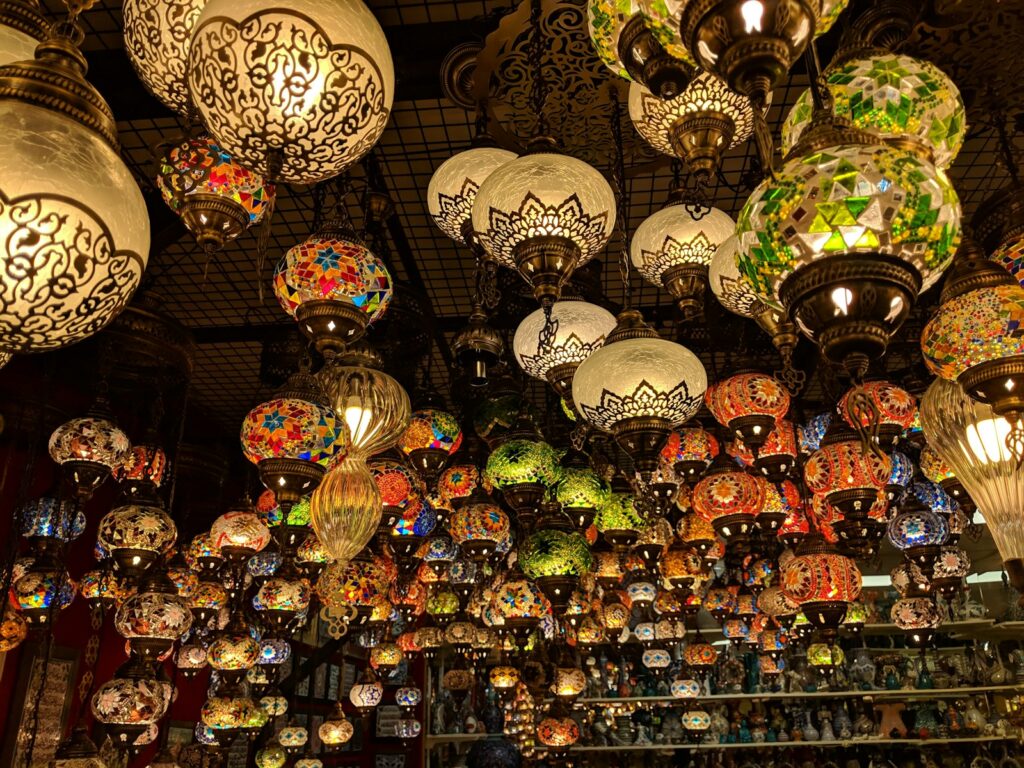
Opening schedules and recommended morning entry gates
The Grand Bazaar opens from Monday through Saturday, typically between 08:30 and 19:00, while remaining closed on Sundays and official religious holidays. Arriving around 09:00 allows you to experience shopkeepers opening their wooden shutters before tour groups fill the main corridors between 11:30 and 15:30. Opening hours may shift slightly during religious observances, so verifying current schedules locally on the morning of your visit is always recommended.
Entering through the correct gate establishes an efficient route through the labyrinth of covered arcades. Gate 1, known as Nuruosmaniye Gate, serves as the primary eastern entrance facing the pedestrian street from Çemberlitaş. Entering here places you immediately onto Kalpakçılar Caddesi, the wide central avenue lined with fine gold jewelry, silver craft workshops, and high-grade silk shops. If you seek hand-knotted carpets and leather goods, Gate 7, or Beyazıt Gate, on the western side offers direct access to the carpet districts surrounding Sahaflar Bazaar.
The Romance Istanbul Hotel team advises guests to step out early in the morning to experience the market at its quietest. From Hüdavendigar Caddesi in Sirkeci, the walk uphill to Nuruosmaniye Gate takes approximately 12 to 15 minutes, covering about 900 meters along cobblestone avenues. Starting your shopping excursion right after breakfast ensures you encounter refreshed merchants who often view the first customer of the day (siftah) as a symbol of good fortune.
Locating genuine hand-woven textiles and silk scarves
Identifying genuine hand-woven silk scarves and textiles in the Grand Bazaar relies on checking the edge seams, inspecting thread irregularity, and testing thread fibers under natural light. Genuine silk feels warm immediately to the touch and changes hue subtly when light strikes its natural protein fibers at varying angles. Synthetic polyester imitations feel noticeably cooler upon initial contact and reflect light with a uniform surface shine.
When examining high-grade silk scarves or silk-cotton blends, inspect the hand-finished edges along the border. Authentic hand-crafted scarves feature hand-rolled hems secured with delicate, slightly uneven hand stitches rather than flat, machine-sewn lock stitching. On hand-loomed silk and cotton fabrics, minor variations in weave density and thread thickness reveal human loom work rather than mass industrial manufacturing. Master weavers in historical silk centers like Bursa have passed down these hand-weaving traditions for centuries, decorating fabrics with Ottoman motifs such as stylized tulips and carnations.
To find authentic textile artisans, head away from the main thoroughfare into quiet interior courtyards known as hans. Zincirli Han, an 18th-century two-story caravanserai courtyard accessed via a narrow passage off Kalpakçılar Caddesi, houses venerable textile merchants and custom rug restorers. Here, shopkeepers can show you natural dye sources like madder root, indigo, and pomegranate peel used in traditional dye houses. For travelers interested in combining market exploration with refined historical style, reserving our Sultan Package provides tailored local insights alongside luxurious accommodations inspired by Ottoman royal heritage.
Traditional negotiation customs for market shoppers
Traditional negotiation in the Grand Bazaar is a polite social dialogue grounded in mutual respect, hospitality, and realistic price benchmarks rather than aggressive bargaining. When a merchant invites you to sit on a low stool and offers a small tulip-shaped glass of black tea or Turkish coffee, accept politely; accepting hospitality creates a warm atmosphere and does not obligate you to make a purchase.
Begin the pricing conversation by asking for the cost calmly without revealing intense enthusiasm for a specific piece. A respectful opening counteroffer typically sits 20% to 30% below the merchant’s initial asking price. Making an excessively low counteroffer—such as offering 80% below the stated price—can be perceived as dismissive of the artisan’s craft and labor. Merchants appreciate buyers who recognize quality materials, precise hand-stitching, or high knot counts in silk carpets.
Paying in cash with local currency often provides subtle leverage for securing a fair final price compared to credit card transactions that incur international bank processing fees. If a vendor cannot meet your budget target, thank them politely and walk away without frustration. Often, the merchant will call you back with a revised figure, or you can explore adjacent arcades to compare similar hand-crafted items. To deepen your appreciation for classic Turkish aesthetic traditions and craftsmanship, consider exploring sister properties like Hotel Sultania, which celebrates imperial Ottoman heritage through its uniquely styled interiors.
A 12-minute walking route back to Sirkeci
The direct 12-minute walking route from the Grand Bazaar back to Sirkeci leads downhill along Nuruosmaniye Caddesi, past the ancient Column of Constantine at Çemberlitaş, and straight down Bab-ı Ali Caddesi to Hüdavendigar Caddesi. Exiting through Nuruosmaniye Gate, you enter a pedestrianized marble avenue shaded by historic plane trees. Follow this marble avenue eastward for about 250 meters until you reach the main tram line at Çemberlitaş Square.
Cross the tram tracks carefully near the historic 4th-century porphyry column and turn left onto Bab-ı Ali Caddesi. This historic street slopes gently downhill past historic government archives and nineteenth-century publishing houses. Continue descending straight down as the street transitions naturally into Hüdavendigar Caddesi in Sirkeci. This simple 900-meter downhill walk avoids complex alleyways and returns you directly to your accommodation without needing taxi or public transport transfers.
Resting your feet after navigating marble market corridors becomes effortless when returning to a spacious Premium Suite adorned with custom Ottoman decorative artifacts. After a full morning of market exploration, head to the rooftop at Olive Anatolian Restaurant nearby in Sirkeci for regional Anatolian specialties, including dedicated vegetarian and vegan menus, while taking in panoramic views across the Historic Peninsula skyline. You can also soothe tired leg muscles with an authentic scrub and steam session at Allure Spa & Wellness back at the hotel.
| Craft Category | Primary Market Arcade | Nearest Entry Gate | Key Verification Tip |
|---|---|---|---|
| Silk Scarves & Textiles | Zincirli Han & Sahaflar Arcades | Nuruosmaniye Gate (Gate 1) | Inspect for hand-rolled hem stitches and warm surface texture under natural light. |
| Hand-Knotted Rugs & Kilims | Takkeciler Sokak & Sahaflar | Beyazıt Gate (Gate 7) | Check that fringes extend naturally from warp threads rather than being sewn on. |
| Hand-Painted Iznik Ceramics | Örücüler Caddesi | Örücüler Gate | Look for slightly raised quartz glaze textures and detailed artisan signatures on the base. |
| Antique Brass & Copperware | İç Bedesten (Old Bazaar Core) | Nuruosmaniye Gate (Gate 1) | Check for heavy metal weight and hand-hammered indentation marks inside the vessel. |
Navigating the historic Grand Bazaar transforms from a potential sensory overload into an inspiring cultural journey when you enter early through dedicated gates, inspect genuine textile craftsmanship with a trained eye, and engage warmly in traditional market etiquette. Returning downhill to Sirkeci offers a welcoming transition from busy covered alleys to quiet boutique hospitality in the heart of Istanbul’s Historic Peninsula.
Frequently Asked Questions
What are the best days and hours to visit the Grand Bazaar?
The Grand Bazaar is open Monday through Saturday from approximately 08:30 to 19:00 and is closed on Sundays. Arriving around 09:00 on a weekday allows you to explore quiet arcades before large tour groups arrive. Verify seasonal hours locally prior to your visit.
How can I tell if a silk scarf in the Grand Bazaar is genuine?
Genuine silk feels warm to the touch immediately, changes shade subtly under natural light, and features hand-rolled, hand-stitched hem edges. Synthetic polyester scarves feel cooler, reflect light flatly, and feature machine-stitched edges.
Is bargaining expected in the Grand Bazaar, and how should I negotiate?
Bargaining is a customary, friendly social exchange in the market. Start by offering 20% to 30% below the initial asking price while sipping tea and maintaining a polite tone. Paying with cash in local currency often helps secure a fair discount.
How long does it take to walk from Romance Istanbul Hotel to the Grand Bazaar?
Walking from the hotel on Hüdavendigar Caddesi in Sirkeci uphill to Nuruosmaniye Gate takes approximately 12 to 15 minutes. The route covers about 900 meters past historic landmarks in the Historic Peninsula.
Where can I dine near Sirkeci after shopping in the Grand Bazaar?
You can dine at Olive Anatolian Restaurant in Sirkeci, located just a short walk from the market. The rooftop restaurant offers traditional Anatolian cuisine, vegan and vegetarian options, and panoramic views over the historic skyline.
How can I arrange airport transfers to Romance Istanbul Hotel?
You can request a private airport transfer directly through the hotel front desk before arrival. Travel times vary depending on Istanbul traffic conditions, so arranging private transport ensures a comfortable and seamless journey to Sirkeci.
Photo: Alister Payne — Unsplash